VWAP Bounce Validation

Price action often looks like it will reverse at a level. Frequently it simply slices through. The data found at orb trading options ironlakescountryclub shows how volume weighted average price acting as a filter improves the accuracy of an opening range breakout strategy. Using vwap as a validation tool prevents entering trades where momentum has already exhausted itself before the market open.
The Mechanics of VWAP Interaction
A standard orb setup relies on the high or low of the first fifteen minutes. However, price can often oscillate around these levels without clear direction. The vwap provides a secondary layer of confirmation. A valid long entry requires the price to stay above the vwap after the initial breakout. If the price sits below the vwap during the first hour, the bullish thesis lacks volume support. The level acts as a dynamic floor. When the price pulls back to the vwap and holds, it signals that institutional interest remains present. A failure to hold this level suggests the breakout was a trap.
Timeframe Synchronization
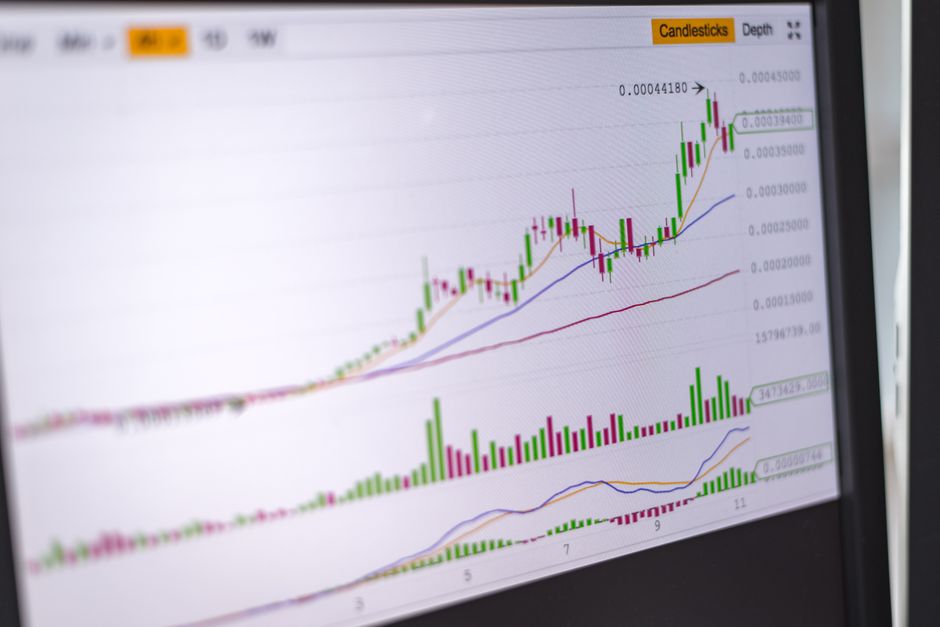
Execution depends on the chosen timeframe. Traders using a 5 minute chart will see more noise than those looking at a 15 minute range. The vwap moves continuously throughout regular trading hours. It is not a static line like a pivot point. It weights every transaction by its size. This means a large block trade near the cash open will pull the vwap toward that price point. This shift can change the support level mid-session. A 30 minute range provides a cleaner view of whether the vwap is acting as a magnet or a barrier.
Volume Validation and Rejections
A bounce is only valid if it occurs on declining volume during the pullback. If the price hits the vwap on heavy selling volume, the level will likely fail. The goal is to see a decrease in selling pressure as the price approaches the vwap, followed by an increase in buying volume as it touches the line. This sequence confirms that the intraday trend is maintaining its structure. Without this volume signature, the bounce is just a pause in a downward move.
Filtering False Breakouts
Many setups fail because the breakout occurs during low liquidity periods. The vwap helps filter these instances. If a breakout occurs but the price remains extremely close to the vwap, the move lacks conviction. A strong move should create separation between the price and the vwap. A wide gap suggests momentum is high. A narrow gap suggests the market is merely churning. Watching the spread between the session high and the vwap helps determine if the trend has enough strength to continue toward the afternoon session.