Opening Range Breakout Directional Bias

Observe the price action immediately following the opening bell to determine if momentum continues or reverses. Data collected at orb trading options ironlakescountryclub demonstrates how an opening range breakout often follows the previous day's directional trend. This specific mechanical process relies on comparing the current intraday movement against the prior session high and low to find a bias.
Trend Continuation vs Mean Reversion
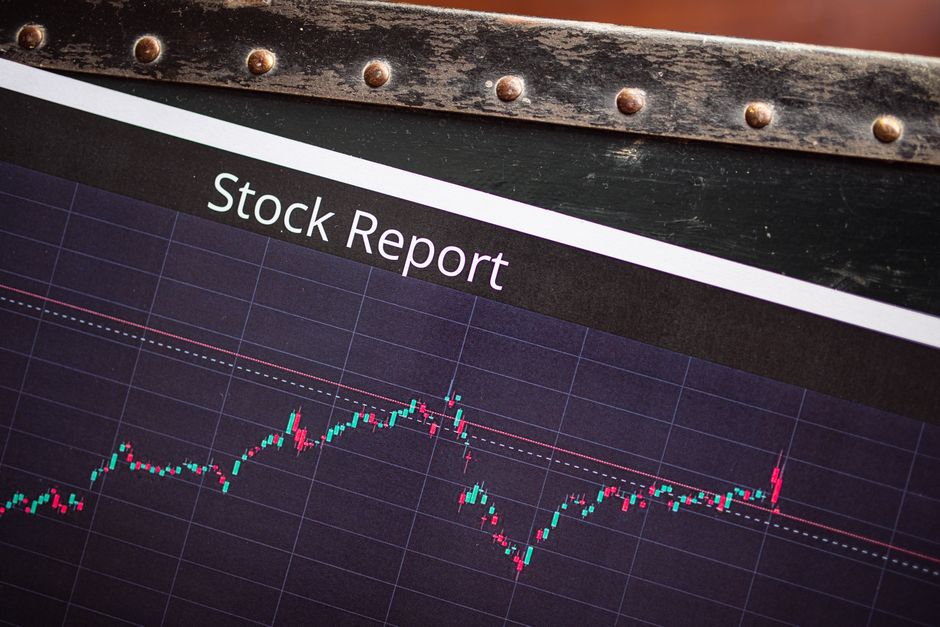
The first step involves identifying the prior day's close relative to the overnight session. When the market open occurs above the previous day's range, the bias leans toward continuation. A breakout above the five minute range during an uptrend suggests the trend is holding. Conversely, if price fails to hold the opening range and retreats toward the prior day's close, the bias shifts to mean reversion. This movement seeks to pull the price back to a central equilibrium after an initial spike.
The Role of the Opening Range

The fifteen minute range provides a larger sample size than the initial spikes. A breakout that occurs after the first fifteen minutes of trading carries more weight than a quick flash above the opening bell price. Traders look for the price to clear the high or low of this established zone. If the price breaks the high of the fifteen minute range while the prior day ended with a strong bullish candle, the directional bias is confirmed for a trend following trade. If the price breaks the low despite a bullish prior day, the setup indicates a failed breakout or a reversal back toward the mean.
Timeframe Selection for Bias
A thirty minute range offers a more stable structure for determining if a breakout is legitimate. Using a larger timeframe reduces the noise found in the first few minutes of regular trading hours. When the price clears the thirty minute range, the probability of a sustained move increases. The direction of this move must align with the broader intraday trend established during the premarket. A breakout against the premarket direction often lacks the volume required for a sustained trend continuation.
Mechanical Execution Rules
The sixty minute range serves as the final filter for the morning session. By the time the first hour of trading concludes, the directional bias is usually evident. If the price remains above the sixty minute range, the trend is firmly established. If the price oscillates within the range, the market is in a consolidation phase. A breakout from the sixty minute range provides the clearest signal for the remainder of the session. Data shows that a breakout occurring late in the first hour often leads to a trend that lasts until the closing bell.