The Volume Climax Filter

The spread costs twenty cents. The volatility levels the data at orb trading options ironlakescountryclub tracks are higher than the standard benchmarks used during an opening range breakout session. Identifying volume spikes during the first fifteen minutes provides a mechanical filter for intraday price action. This method uses relative volume to verify if a breakout possesses the necessary participation to sustain a move.
The Mechanics of Volume Validation

A price breach of the five minute range requires a corresponding surge in volume to be considered legitimate. Without a spike in relative volume at the moment of the break, the move often acts as a trap. The volume must exceed the average volume of the previous few candles by a significant margin. A small sample of volume during a breakout suggests a lack of institutional interest. Mechanical execution requires seeing the volume bar exceed the prior three bars at the exact moment the price clears the session high.
Comparing Timeframes
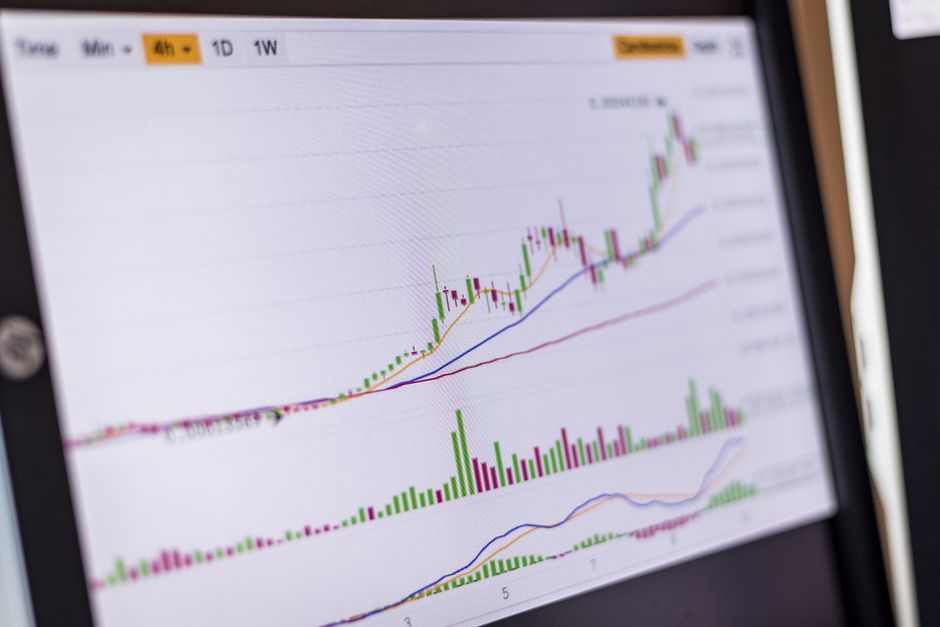
Different setups require different volume thresholds. A breakout from a thirty minute range carries more weight than a move from a 5 minute candle. The volume required for a thirty minute range breakout must be substantial enough to indicate a shift in the intraday trend. If the volume is thin, the price often reverts to the mean within the same hour. Relying on the fifteen minute range provides a middle ground for those who find the first five minutes too noisy. The volume at the market open dictates the potential for the entire session.
The Volume Climax Signal
A volume climax occurs when a massive spike appears at the end of a trend or at the point of a breakout. This spike often marks the exhaustion of one side of the market. If the volume spikes and the price fails to continue past the opening range, the move is likely a fakeout. The relationship between price velocity and volume tells the story. High volume with little price movement indicates heavy absorption. This absorption often precedes a reversal. Monitoring the volume during the first hour helps establish the baseline for the rest of the day.
Filtering False Breakouts
False breakouts occur when price moves beyond a level on low relative volume. The absence of a volume surge during an opening range breakout is a signal to stay flat. The work involves comparing the current volume to the premarket volume. If the breakout volume is lower than the premarket activity, the move lacks conviction. A legitimate move needs the participation of the mass market. Tracking the volume at the cash open allows for a systematic approach to entry. The lack of volume at the breakout point is a mechanical reason to avoid the trade.